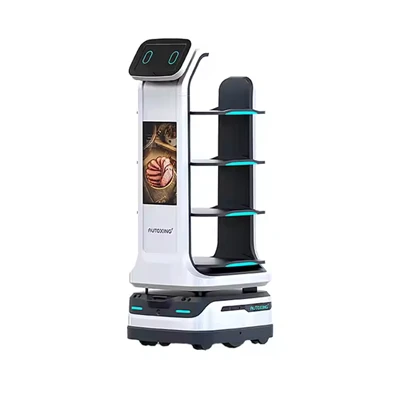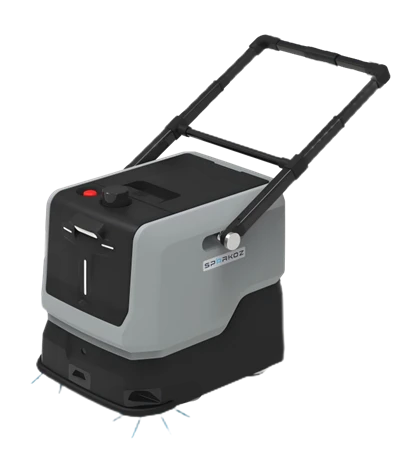


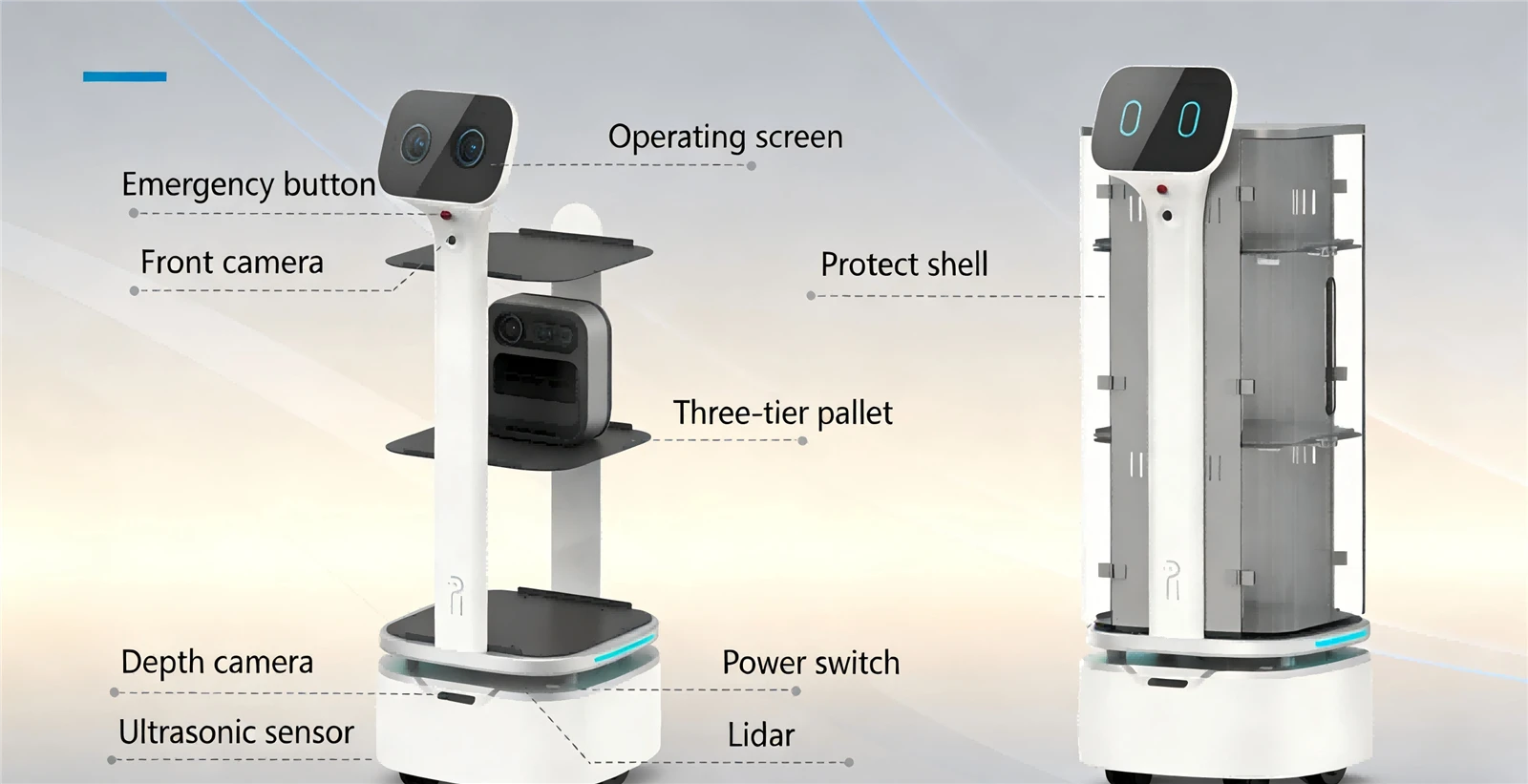
Food delivery robots have been deployed at Smile Park Nursing Home in Japan to streamline daily care delivery workflows. The autonomous delivery robot effectively eases the time-consuming manual item transport burden on care staff, lifting operational efficiency and service quality. Meanwhile, these assistive care robot units bring fun interactive experiences to elderly residents, allowing caregivers to focus more on high-value nursing work and greatly improving the overall living experience for seniors.
Background
Smile Park Nursing Home is a professional care institution offering round-the-clock 24/7 elderly care services all year round. It serves more than 60 care-dependent residents, including 10 short-stay guests and 50 long-term senior residents. The facility has successfully introduced food delivery robot solutions to support care teams, and the elderly residents show high acceptance of this senior living service robot.
Challenges
Before deploying the nursing home robot, care workers spent massive amounts of time manually transporting meals and supplies from the kitchen to different zones inside the building. Repetitive delivery tasks consumed valuable time and energy that should have been reserved for resident care. The nursing home faced typical pain points of elderly care automation: staff shortages paired with a large facility area. It was urgent to boost service efficiency and service standards and cut down the long walking routes for manual delivery.

Improvements Brought by Autonomous Robotic Delivery
Higher Efficiency and Reduced Labour Pressure
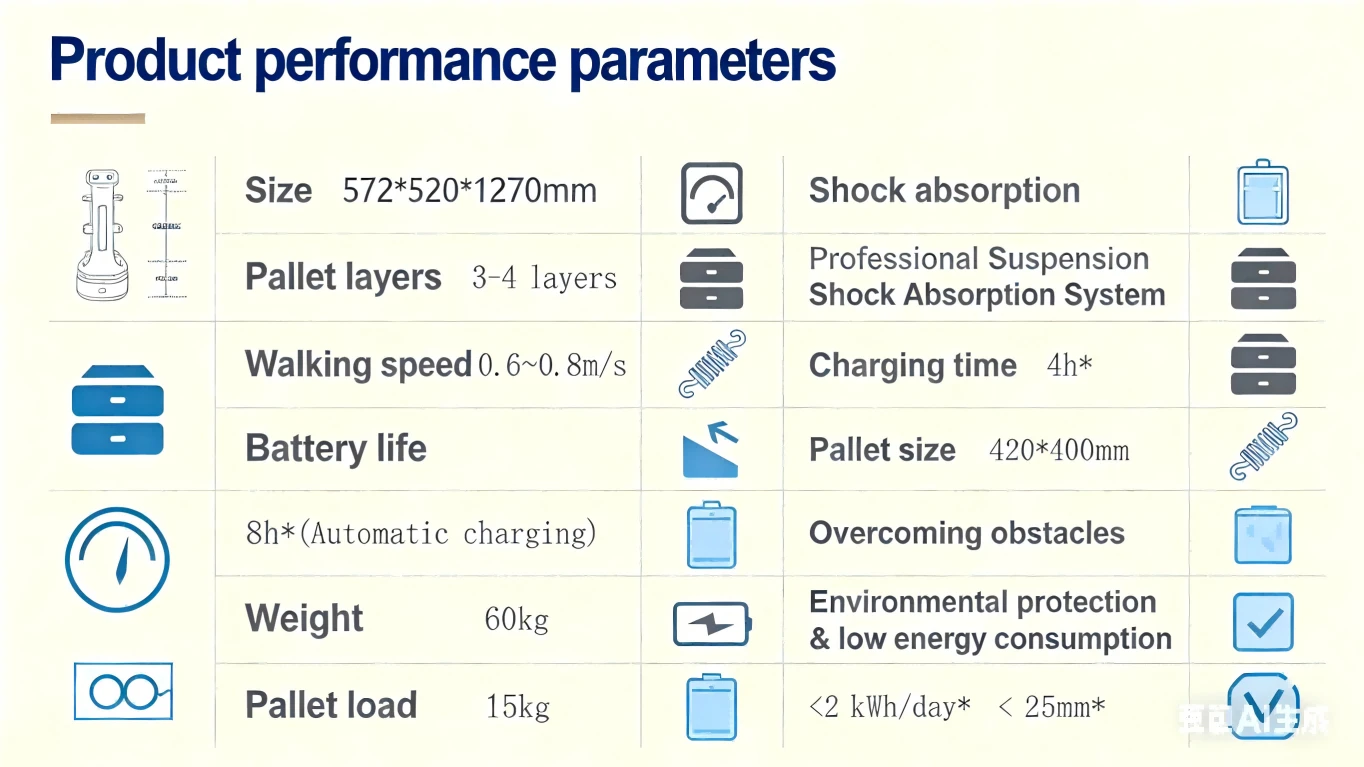
With the food delivery robot on duty, staff no longer need to personally carry food and supplies between the kitchen and other functional zones. The indoor autonomous navigation capability of the autonomous delivery robot drastically cuts delivery time and travel distance. Automated item transportation frees the care team and kitchen staff from heavy physical errands, optimises workflow and relieves physical fatigue for caregivers.

Fun Interactive Experience for Residents and Caregivers
The robot's cute meow sound effect creates joyful moments for seniors and nursing staff and enriches human-robot interaction. This friendly design helps the assistive care robot gain warm recognition from elderly users, helping the healthcare service robot blend naturally into the daily routine of the nursing home and deliver positive social engagement for residents.

Optimised Resource Allocation and Better Care Quality
Thanks to the food delivery robot, caregivers can allocate their working hours and resources more reasonably. They no longer need to leave their posts frequently for delivery runs. Staff can devote more time and attention to personalised care for elderly residents, lifting overall service standards. In addition, automated robotic transport minimises human delivery mistakes, ensuring all meals and supplies arrive accurately at designated destinations.

Client Testimonial
Smile Park Nursing Home, Japan "Since our nursing home adopted the food delivery robot, these autonomous delivery robot units take charge of transporting supplies to different areas of our facility. The solution saves our team from leaving care posts for delivery runs and significantly raises operational efficiency. Our caregivers now have more time to focus on accompanying and caring for elderly residents, which improves both care quality and overall productivity." - Yoshimura, Manager of Smile Park Nursing Home
By adopting reliable elderly care automation technology, Smile Park Nursing Home has become a local benchmark for smart senior care. This case proves how nursing home robot deployment solves staffing shortages in aged care and builds a warmer, more efficient senior living environment. Looking ahead, food delivery robot and assistive care robot solutions will be widely rolled out at more assisted living centres to reshape the future of elderly care services.