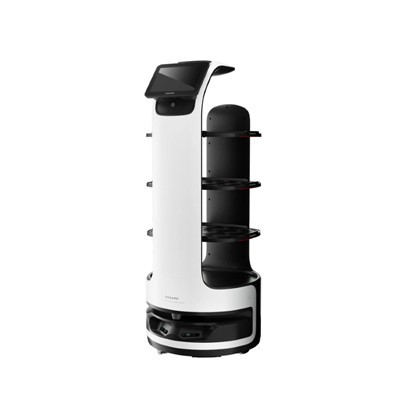


As a supplier of Robot in The Restaurant, I've seen firsthand the growing popularity of robots in the restaurant industry. They're cool tech that can bring a bunch of benefits, like making service faster and more consistent. But let's be real, they're not perfect. There are some limitations that restaurant owners need to be aware of before they decide to go all-in on these high-tech helpers.
1. Technical Glitches and Maintenance
One of the biggest headaches with restaurant robots is technical glitches. Robots, like any other piece of technology, can malfunction. Software bugs can cause a Food Delivery Robot in Restaurant to stop in the middle of its path, drop food, or even collide with customers or furniture. Hardware issues, such as sensor failures or motor problems, can also disrupt their operation.
Maintenance is another major concern. These robots require regular upkeep to keep them running smoothly. This includes software updates, battery replacements, and mechanical checks. If a robot breaks down during peak hours, it can cause significant disruptions to the restaurant's service. And finding technicians who are skilled in repairing these specialized robots can be a challenge, especially in areas where the technology is still relatively new.
2. Limited Adaptability
Restaurants are dynamic environments, and things can change in an instant. A spilled drink on the floor, a sudden rearrangement of tables, or a large group of customers blocking the aisle can all pose problems for robots. Most Restaurant Delivery Robot models are programmed to work in specific layouts and under certain conditions. When faced with unexpected situations, they may struggle to adapt.
For example, if a customer accidentally moves a chair into the robot's designated path, the robot may not know how to navigate around it. This can lead to delays in food delivery and frustrated customers. In contrast, human servers are much more flexible and can quickly adjust to changing circumstances.
3. Lack of Human Touch
One of the things that makes dining out special is the human interaction. Customers enjoy chatting with their servers, getting recommendations, and feeling a personal connection. Robots, no matter how advanced they are, can't replicate the warmth and empathy of a human being.
A Restaurant Food Delivery Robot can deliver food to the table, but it can't engage in small talk, smile, or make a customer feel welcome. This lack of human touch can have a negative impact on the overall dining experience, especially for customers who value the social aspect of going to a restaurant.
4. High Initial Investment and Operating Costs
Investing in restaurant robots is not cheap. The initial purchase price of a Lightweight Restaurant Service Robot can be quite high, and there are also additional costs for installation, training, and software licensing. Moreover, the operating costs, such as electricity, maintenance, and software updates, can add up over time.
For small and medium-sized restaurants, these costs can be a significant barrier to entry. Even for larger establishments, the return on investment may not be immediate. It may take several years for the savings in labor costs to offset the initial investment and ongoing expenses.
5. Limited Service Capabilities
While robots can be great at performing repetitive tasks, such as food delivery, they have limited service capabilities. They can't take orders, answer complex questions about the menu, or handle customer complaints. These are all tasks that require human skills, such as communication, problem-solving, and emotional intelligence.
In a restaurant, there are often situations where a customer needs personalized attention and assistance. For example, a customer with a food allergy may need detailed information about the ingredients in a dish. A robot would not be able to provide this level of service, which could lead to customer dissatisfaction.
6. Safety Concerns
Safety is a top priority in any restaurant. While restaurant robots are designed with safety features, there are still concerns about their operation in a busy environment. There is a risk of collisions with customers, especially in crowded areas. Additionally, there are potential hazards associated with the electrical components and moving parts of the robots.
To ensure the safety of customers and staff, restaurants need to implement strict safety protocols when using robots. This may include training employees on how to interact with the robots, setting up clear pathways for the robots to travel, and regularly inspecting the robots for any safety issues.
7. Social Acceptance
Not everyone is comfortable with the idea of having robots in a restaurant. Some customers may find the presence of robots to be impersonal or even a little creepy. They may prefer the traditional dining experience with human servers.
In addition, there are concerns about the impact of robots on employment. As more restaurants adopt robotic technology, there is a possibility that some human jobs may be replaced. This can lead to social and economic issues, especially in areas where the restaurant industry is a major employer.
Despite these limitations, I believe that robots still have a place in the restaurant industry. They can be a valuable addition to a restaurant's workforce, especially for tasks that are repetitive and time-consuming. However, it's important for restaurant owners to carefully consider the pros and cons before making a decision.
If you're a restaurant owner who is interested in learning more about how our Robot in The Restaurant can work in your establishment, we'd love to have a chat. We can discuss your specific needs, address any concerns you may have, and help you determine if our robots are the right fit for your business. Contact us to start a conversation about how we can enhance your restaurant's service with our robotic solutions.


References
- Industry reports on the adoption of restaurant robots
- Case studies of restaurants using robotic technology
- Academic research on the impact of automation in the service industry